
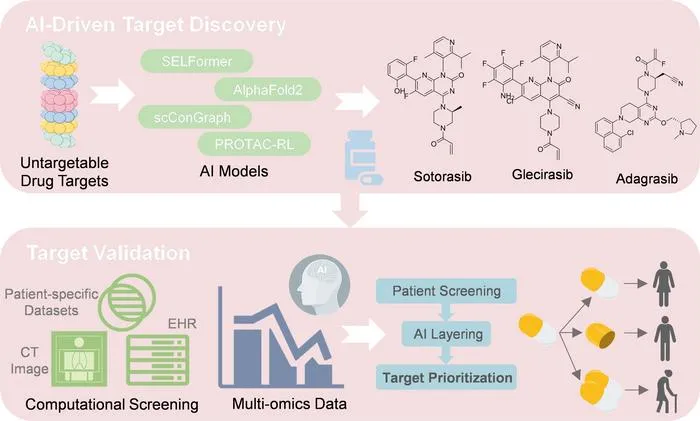
AI is expediting the timeline and personalization of solid tumor drug development using multi-omics, imaging, and advanced computational models.
Key Details
- 1AI integration with multi-omics and spatial transcriptomics data accelerates drug target discovery and validation, reducing R&D cycles from ~10 to 2-3 years.
- 2Imaging data (CT) and electronic health records are utilized in AI-powered patient-specific screening and drug prioritization.
- 3Generative AI platforms optimize small molecules, biologics, and mRNA vaccines; for example, inhibitors for historically 'undruggable' targets like KRAS were rapidly designed.
- 4AI models improve efficacy, predict resistance, and optimize pharmacokinetics with significant reductions in time and resource usage.
- 5Clinical translation faces challenges such as data bias, model transparency, and real-world validation gaps.
- 6Recent advances include AI-driven antibody-drug conjugate design and mRNA vaccine optimization.
Why It Matters
This overview underscores how imaging data and AI collaboration are transforming oncology research and clinical practices, promising faster delivery of targeted therapies. Addressing the ongoing challenges in data equity, model transparency and validation will be crucial for successful clinical impact.

Source
EurekAlert
Related News
•EurekAlert
AI Detects Hypertension and Diabetes from 5-Second Facial Videos
A machine-learning algorithm can accurately screen for hypertension and diabetes using brief facial video recordings, offering a contactless diagnostic option.
•EurekAlert
AI Highlights Importance of Thymus Protection During Lung Cancer Radiotherapy
AI analysis reveals that radiation exposure to the thymus during lung cancer treatment may worsen patient outcomes.
•EurekAlert
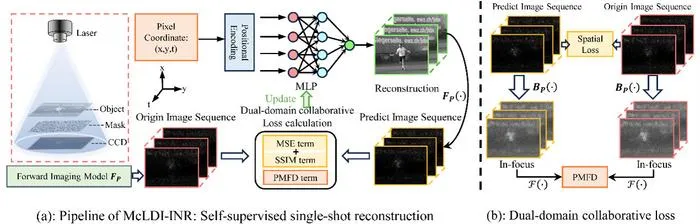
Deep Learning Enables Single-Shot High-Resolution Lensless Dynamic Imaging
Researchers from NJU and PKU have developed a lensless imaging method using deep learning that reconstructs high-fidelity dynamic images from single shots.