
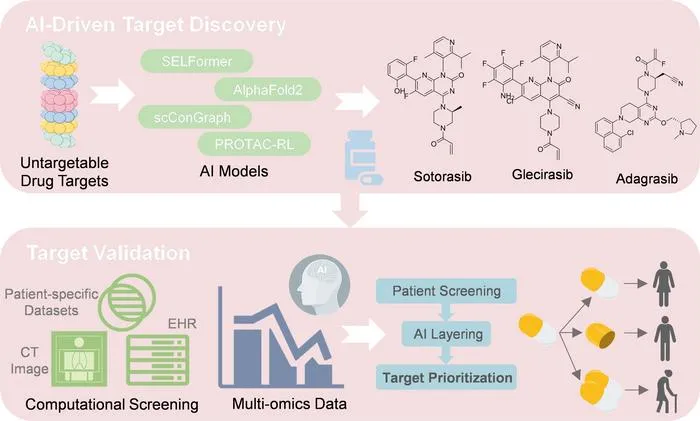
AI is expediting the timeline and personalization of solid tumor drug development using multi-omics, imaging, and advanced computational models.
Key Details
- 1AI integration with multi-omics and spatial transcriptomics data accelerates drug target discovery and validation, reducing R&D cycles from ~10 to 2-3 years.
- 2Imaging data (CT) and electronic health records are utilized in AI-powered patient-specific screening and drug prioritization.
- 3Generative AI platforms optimize small molecules, biologics, and mRNA vaccines; for example, inhibitors for historically 'undruggable' targets like KRAS were rapidly designed.
- 4AI models improve efficacy, predict resistance, and optimize pharmacokinetics with significant reductions in time and resource usage.
- 5Clinical translation faces challenges such as data bias, model transparency, and real-world validation gaps.
- 6Recent advances include AI-driven antibody-drug conjugate design and mRNA vaccine optimization.
Why It Matters
This overview underscores how imaging data and AI collaboration are transforming oncology research and clinical practices, promising faster delivery of targeted therapies. Addressing the ongoing challenges in data equity, model transparency and validation will be crucial for successful clinical impact.

Source
EurekAlert
Related News
•EurekAlert
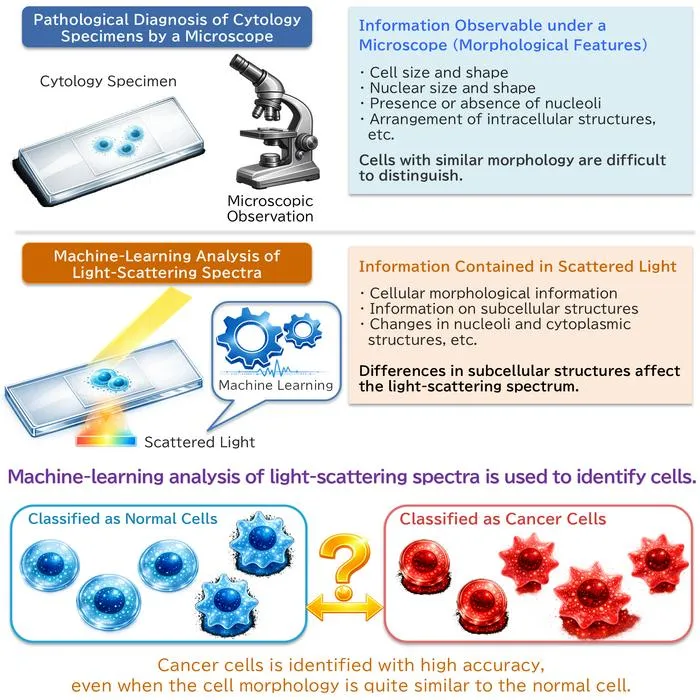
AI System Enhances Cancer Cell Detection via Light Scattering Spectra
Japanese researchers developed an AI system using light scattering spectra to improve cancer cell identification in cytology.
•EurekAlert
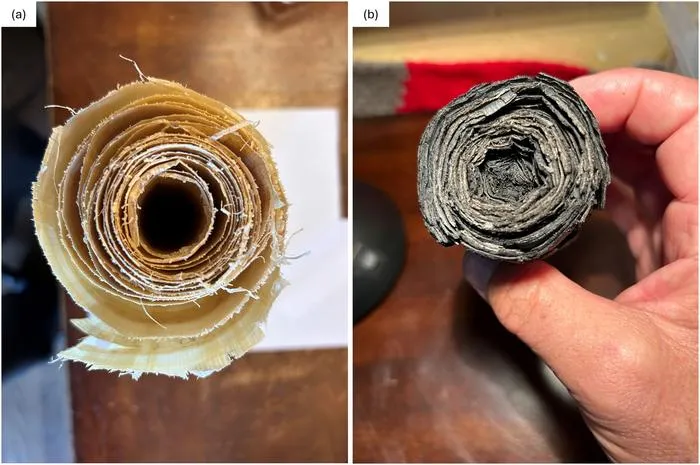
AI and X-ray Imaging Reveal Lost Texts in Ancient Roman Scrolls
AI and x-ray technology enable scientists to virtually read previously unreadable, carbonized Roman scrolls from Herculaneum.
•EurekAlert
AI’s Potential to Expand, Not Shrink, the Clinical Workforce
AI advancements may lead to more, not fewer, healthcare jobs, challenging common fears about workforce reductions in specialties like radiology.