
Machine learning is driving advancements in radiopharmaceutical drug discovery and optimizing patient-specific dosimetry for precision cancer therapy.
Key Details
- 1Deep learning and generative AI accelerate identification of novel radiopharmaceutical targets and drug design.
- 2AI models enable early identification of promising drug candidates, reducing preclinical workload and accelerating evaluation.
- 33D convolutional neural networks analyze medical images for personalized dosimetry and biodistribution prediction.
- 4Digital twins generated via machine learning support individualized cancer treatment planning.
- 5Clinical adoption faces barriers, notably the lack of standardized, high-quality datasets and need for foundational experimental research.
- 6Federated learning may help protect patient data privacy during model development.
Why It Matters
The integration of AI in radiopharmaceuticals and dosimetry holds promise for faster, more effective cancer therapies and improved patient outcomes. Addressing data standardization and model validation challenges is key to clinical translation.

Source
EurekAlert
Related News
•EurekAlert
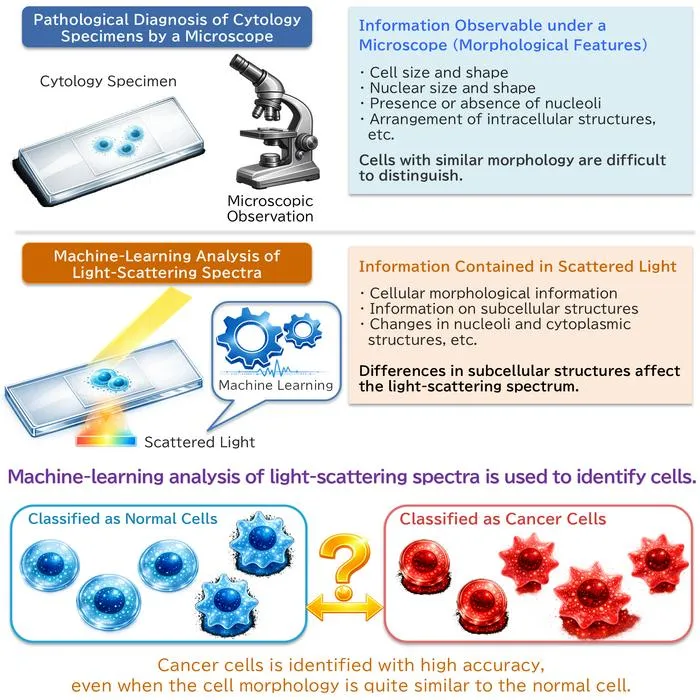
AI System Enhances Cancer Cell Detection via Light Scattering Spectra
Japanese researchers developed an AI system using light scattering spectra to improve cancer cell identification in cytology.
•EurekAlert
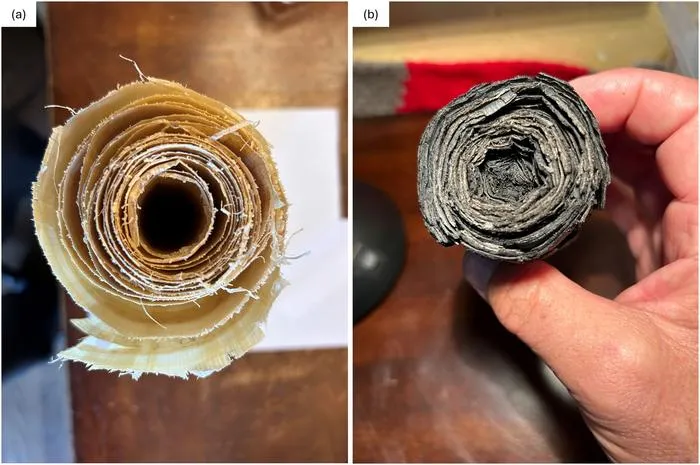
AI and X-ray Imaging Reveal Lost Texts in Ancient Roman Scrolls
AI and x-ray technology enable scientists to virtually read previously unreadable, carbonized Roman scrolls from Herculaneum.
•EurekAlert
AI’s Potential to Expand, Not Shrink, the Clinical Workforce
AI advancements may lead to more, not fewer, healthcare jobs, challenging common fears about workforce reductions in specialties like radiology.