
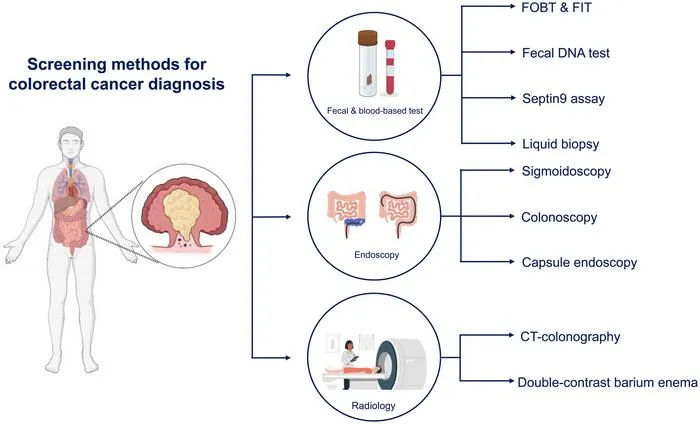
Recent innovations in colorectal cancer screening include advanced imaging, AI tools, and novel diagnostics to improve early detection and outcomes.
Key Details
- 1Colorectal cancer screening relies on fecal tests, endoscopy, and radiological methods such as CT colonography.
- 2CT colonography provides 3D images for non-invasive screening but has prep requirements and may miss small polyps.
- 3AI integration enhances polyp detection during colonoscopy and aids in automated histopathological and multi-omics analysis.
- 4Emerging technologies like single-cell sequencing and spatial transcriptomics contribute to better tumor characterization.
- 5Lifestyle changes and adherence to screening guidelines remain central to prevention and early detection.
- 6Future directions emphasize precision medicine and global standardization of CRC screening.
Why It Matters
Advances in radiological imaging and AI are enhancing the accuracy and accessibility of colorectal cancer screening, potentially leading to earlier diagnosis, better patient stratification, and personalized care. Emphasizing these tools can reduce CRC incidence and mortality by streamlining diagnostics and integrating new technologies into clinical workflows.

Source
EurekAlert
Related News
•EurekAlert
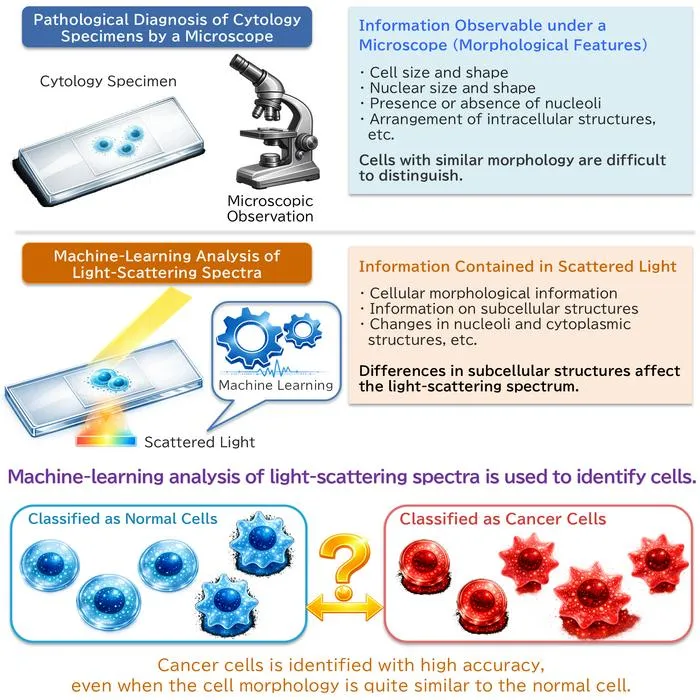
AI System Enhances Cancer Cell Detection via Light Scattering Spectra
Japanese researchers developed an AI system using light scattering spectra to improve cancer cell identification in cytology.
•EurekAlert
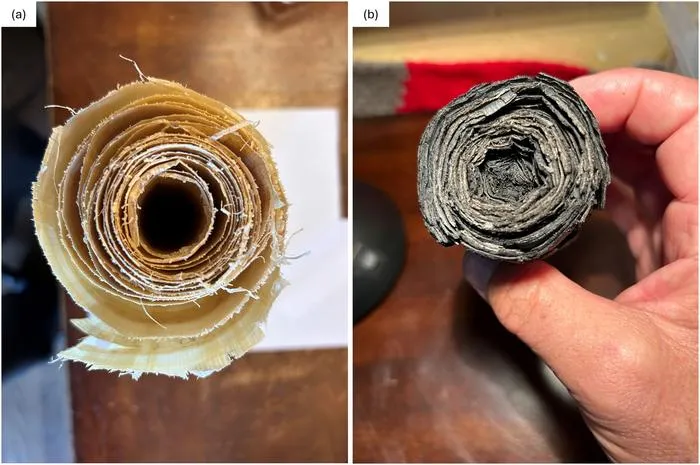
AI and X-ray Imaging Reveal Lost Texts in Ancient Roman Scrolls
AI and x-ray technology enable scientists to virtually read previously unreadable, carbonized Roman scrolls from Herculaneum.
•EurekAlert
AI’s Potential to Expand, Not Shrink, the Clinical Workforce
AI advancements may lead to more, not fewer, healthcare jobs, challenging common fears about workforce reductions in specialties like radiology.