
ACM recognized researchers for breakthroughs in wireless standards, artificial intelligence, and 3D generative AI, including major advances in neural radiance fields impacting computer vision and medical imaging.
Key Details
- 1Erdal Arikan awarded for channel polarization and polar codes, now used in wireless standards.
- 2Kevin Leyton-Brown recognized for AI and machine learning in multiagent systems and computational economics.
- 3Ben Mildenhall and Pratul Srinivasan received the Hopper Award for advances in Neural Radiance Fields (NeRF), transforming 3D scene capture and rendering.
- 4NeRF technology replaced traditional geometry-based representations with differentiable neural scene approaches.
- 5Neural radiance fields have seen broad adoption, including in medical imaging applications.
Why It Matters
Neural radiance fields are bringing a paradigm shift to 3D imaging, supporting greater realism and mathematical flexibility for novel view synthesis and computational imaging across domains, including medical and scientific imaging. Recognition by ACM highlights the growing influence of machine learning and AI methods in radiology and imaging sciences.

Source
EurekAlert
Related News
•EurekAlert
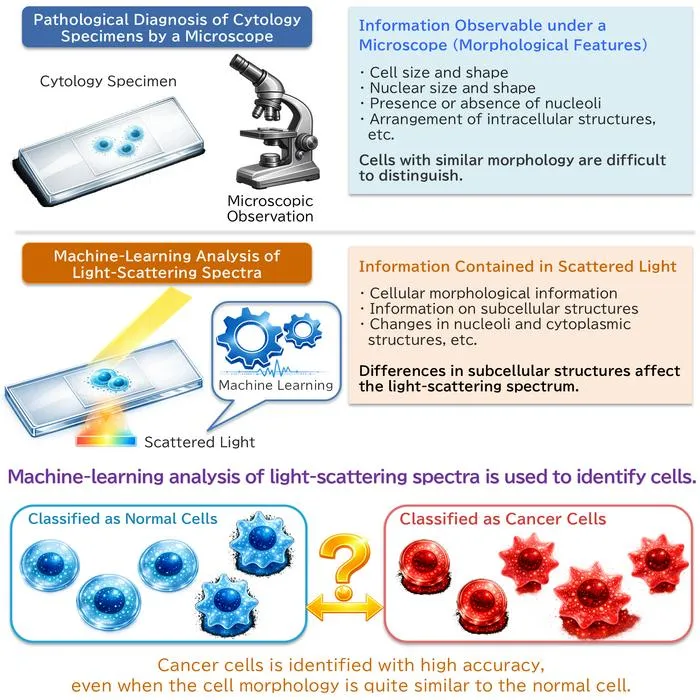
AI System Enhances Cancer Cell Detection via Light Scattering Spectra
Japanese researchers developed an AI system using light scattering spectra to improve cancer cell identification in cytology.
•EurekAlert
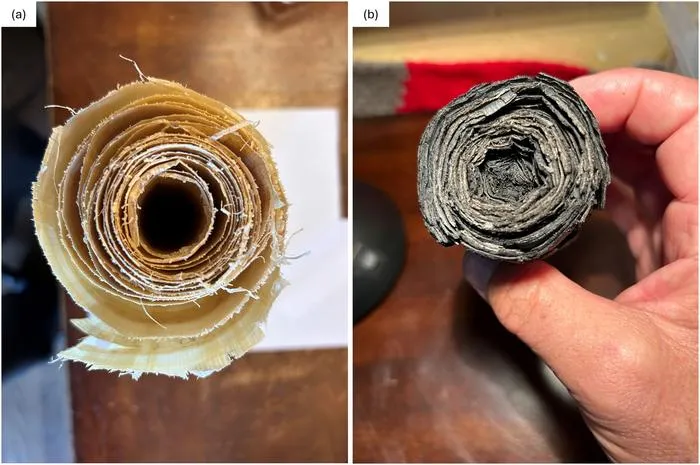
AI and X-ray Imaging Reveal Lost Texts in Ancient Roman Scrolls
AI and x-ray technology enable scientists to virtually read previously unreadable, carbonized Roman scrolls from Herculaneum.

•EurekAlert
AI’s Potential to Expand, Not Shrink, the Clinical Workforce
AI advancements may lead to more, not fewer, healthcare jobs, challenging common fears about workforce reductions in specialties like radiology.