
FAU researchers demonstrate quantum machine learning can accurately predict lung cancer from sparse clinical data sets.
Key Details
- 1Study evaluated quantum and classical machine learning approaches for lung cancer prediction using limited symptom/risk-factor data (309 records, augmented to 540).
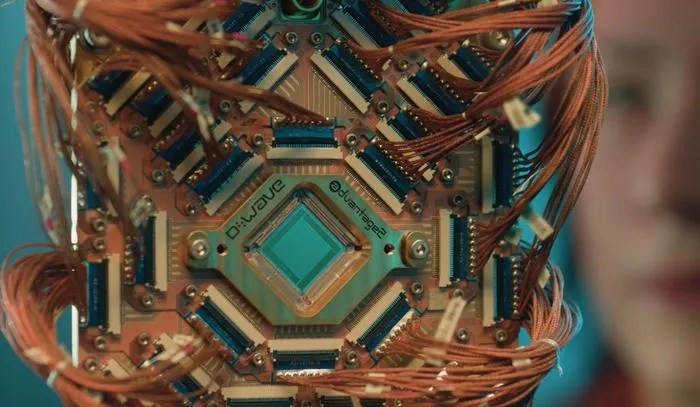
- 2A quantum support vector machine on D-Wave's quantum annealing hardware achieved up to 94.31% accuracy in simulation and 91.90% on hardware.
- 3Three quantum methods—support vector machines, k-nearest neighbors, and boosting—were tested across five computational frameworks (Qiskit, Cirq, PennyLane, OpenJij, D-Wave).
- 4All modeling used non-imaging data; future work will consider integrating imaging and genomics.
- 5Authors stressed results are preliminary and not clinically validated.
- 6The effort is part of Florida Atlantic University's drive to lead in quantum technology research.
Why It Matters
As healthcare AI advances, methods that can leverage small, heterogeneous datasets are crucial in real-world clinical settings. This study positions quantum machine learning as a potential tool to supplement traditional radiology and AI workflows, particularly where large annotated imaging datasets are unavailable.

Source
EurekAlert
Related News

•EurekAlert
AI-Guided Heart Ultrasound Enables Quality Rural Scans by Non-Experts
AI software enabled non-sonographer health professionals to successfully perform quality echocardiograms in rural U.S. communities, with scans reviewed by off-site experts.
•EurekAlert
Study Finds Most AI & Health Equity Articles Lack Precise Definitions
A review reveals that only 13% of AI and health equity research articles explicitly define health equity, raising concerns about algorithmic bias.

•EurekAlert
UVA's $4M NIH Grant Backs AI to Optimize Cardiac MRI Therapies
UVA secures $4 million NIH funding to develop GenStrain, an AI model using MRI data to personalize cardiac pacing therapies.