
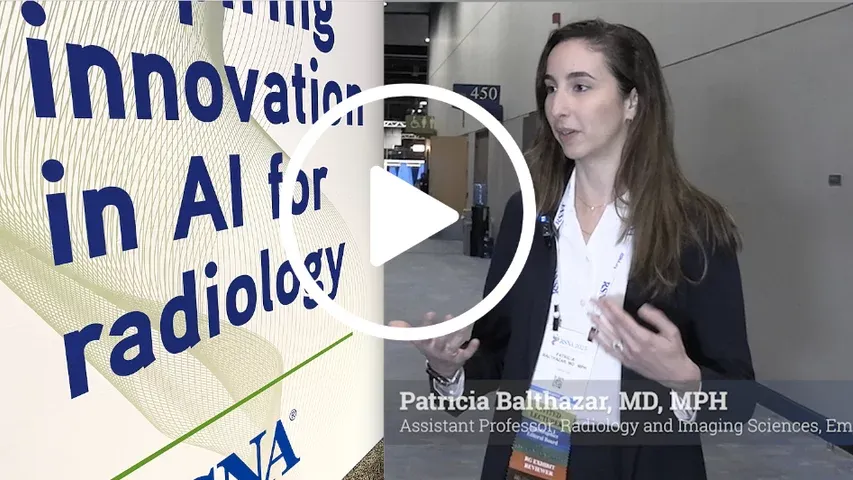
Continuous monitoring is vital to ensure AI tools in radiology deliver intended benefits.
Key Details
- 1Radiology AI performance may change in real-world clinical settings compared to initial regulatory studies.
- 2Ongoing oversight after deployment is needed to detect performance changes caused by imaging system adjustments or different patient populations.
- 3AI is neither inherently helpful nor harmful; its value depends on careful implementation and management.
- 4Patricia Balthazar, MD of Emory, stresses the need for radiology departments to stay involved post-deployment.
Why It Matters
Without active monitoring and management, radiology AI tools may drift from their promised performance, risking wasted resources and reduced clinical value. Sustained oversight safeguards efficacy and supports patient safety.

Source
Radiology Business
Related News

•Radiology Business
Harrison.ai Restructures and Launches U.S. AI-Enabled Teleradiology Venture
Harrison.ai lays off staff amid major restructuring and launches Frontier Radiology, an AI-powered U.S. teleradiology business.
•Radiology Business
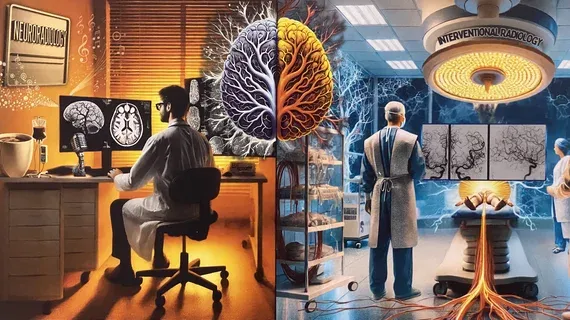
Healthcare Leader Warns AI Will Dominate Diagnostic Radiology
A leading oncologist urges future radiologists to specialize in interventional procedures due to AI advances in image interpretation.
•Radiology Business
AI Model Surpasses Radiologists in Detecting Subtle Hip Fractures
A new AI model outperformed radiologists in identifying difficult-to-detect femoral neck fractures on radiographs.