

Surveys reveal skepticism among older adults and patients toward healthcare AI, but clinicians show growing adoption and optimism, with key regulatory and rural access issues emerging.
Key Details
- 1More than half of American adults aged 50+ believe healthcare AI will do more harm than good; only 4% have strong trust in AI, while 49% have 'some' trust.
- 2Patients perceive physicians using AI as less competent and less trustworthy, per a University of Wuerzburg study published in JAMA Network Open.
- 3Clinician AI tool adoption doubled globally since last year (from 26% to 48%), highest in China (71%), lowest in US (36%) and UK (34%), per Elsevier’s report.
- 4Texas enacted the Texas Responsible Artificial Intelligence Governance Act, setting a major state-level precedent for AI regulation.
- 5Rural healthcare systems may be left behind in AI adoption due to lack of resources, unless aligned with larger health systems.
- 6Recent headlines cite specific imaging AI advances: deep learning for CT workflows, explainable AI for breast MRI, and new coverage guidelines for imaging AI.
Why It Matters
Understanding public and clinician trust, adoption disparities, regulatory moves, and access gaps are key to the successful integration of AI in healthcare and radiology. New imaging AI innovations and policy changes will directly impact clinical workflow, reimbursement, and patient care across regions.

Source
AI in Healthcare
Related News
•Radiology Business
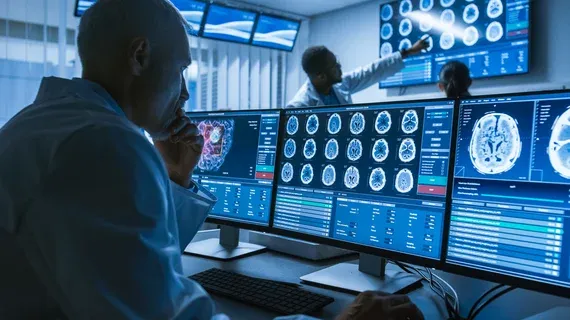
Real-World Study: Radiology AI Best in Emergency and Inpatient Settings
A commercial AI tool for intracranial aneurysm detection outperformed in inpatient and emergency settings but yielded limited benefits for outpatients in a major health system study.

•Radiology Business
Harrison.ai Restructures and Launches U.S. AI-Enabled Teleradiology Venture
Harrison.ai lays off staff amid major restructuring and launches Frontier Radiology, an AI-powered U.S. teleradiology business.
•Radiology Business
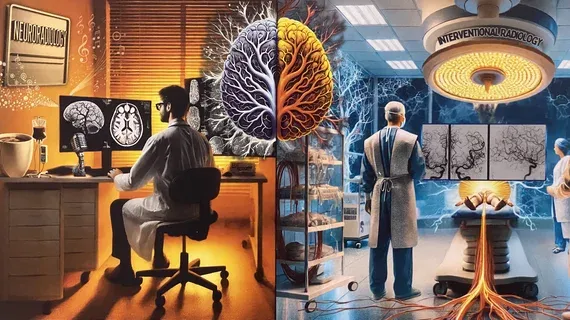
Healthcare Leader Warns AI Will Dominate Diagnostic Radiology
A leading oncologist urges future radiologists to specialize in interventional procedures due to AI advances in image interpretation.