
Microsoft debuts an advanced diagnostic AI model, while major studies highlight both technical progress and patient trust concerns in medical AI.
Key Details
- 1Microsoft's MAI-DxO AI outperformed physicians on 85% of 304 NEJM real-world cases, reportedly quadrupling expert diagnostic rates.
- 2MIT and Mass General Brigham announced a new Analog Devices-funded program for joint medical AI research, aiming for six projects yearly.
- 3MIT researchers found LLMs may misdirect patients using colloquial symptom descriptions, with particular risk for female patients.
- 4A survey for ModMed found 55% of patients are uncomfortable with AI in diagnosis/treatment, yet 57% support it if it improves doctor-patient face time.
- 5New studies confirm patients perceive less empathy from AI-generated responses than from humans, impacting trust.
- 6Recent imaging AI highlights include tools for lung tumor segmentation, dementia diagnosis, and fatty liver detection via radiographs.
Why It Matters
Microsoft's LLM performance signals a leap in AI diagnostic accuracy and resource management, while the research on communication and trust underscores persistent challenges for clinical AI adoption. The breadth of new imaging AI applications and landmark academic partnerships indicate accelerating innovation but also highlight the need to address real-world usability and acceptance.

Source
AI in Healthcare
Related News
•Radiology Business
Real-World Study: Radiology AI Best in Emergency and Inpatient Settings
A commercial AI tool for intracranial aneurysm detection outperformed in inpatient and emergency settings but yielded limited benefits for outpatients in a major health system study.

•Radiology Business
New Rubric Enhances Safety of AI-Generated Radiology Summaries
Researchers developed a five-factor rubric to assess the safety and quality of AI-generated, patient-friendly radiology report summaries.
•Radiology Business
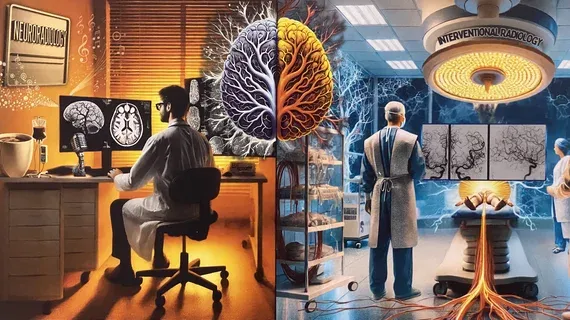
Healthcare Leader Warns AI Will Dominate Diagnostic Radiology
A leading oncologist urges future radiologists to specialize in interventional procedures due to AI advances in image interpretation.