
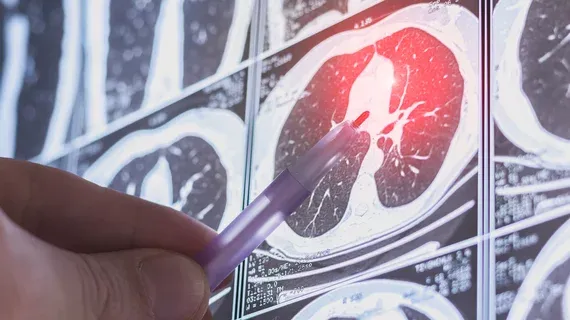
Microsoft and Bristol Myers Squibb have partnered to improve early detection of lung cancer using AI-powered radiology tools.
Key Details
- 1The collaboration aims to leverage Microsoft's scalable AI imaging platform and BMS’s oncology expertise.
- 2Focus is on optimizing early detection and care pathways for non-small cell lung cancer patients.
- 3Targeted initiatives include addressing low adherence to follow-up and improving workflows for underserved populations.
- 4Lung cancer claims about 125,000 U.S. lives annually, but early diagnosis via low-dose CT reduces mortality risk.
- 5The partnership seeks to deliver scalable diagnostic tools and efficiency gains for healthcare organizations.
Why It Matters
Early lung cancer detection has a clear impact on patient survival, but screening adherence remains low. Integrating scalable AI radiology platforms with oncology expertise could significantly improve workflows, diagnosis, and patient outcomes, especially for underserved populations.

Source
Radiology Business
Related News
•Radiology Business
Real-World Study: Radiology AI Best in Emergency and Inpatient Settings
A commercial AI tool for intracranial aneurysm detection outperformed in inpatient and emergency settings but yielded limited benefits for outpatients in a major health system study.
•Radiology Business
Healthcare Leader Warns AI Will Dominate Diagnostic Radiology
A leading oncologist urges future radiologists to specialize in interventional procedures due to AI advances in image interpretation.

•Radiology Business
Harrison.ai Restructures and Launches U.S. AI-Enabled Teleradiology Venture
Harrison.ai lays off staff amid major restructuring and launches Frontier Radiology, an AI-powered U.S. teleradiology business.