
Back to all news
Key Advances and Cautions in Healthcare AI for Imaging and Clinical Workflows
Tags:CT

Healthcare AI is advancing rapidly with new tools enhancing efficiency and effectiveness, but integration challenges and bias mitigation remain crucial, especially in imaging.
Key Details
- 1Stanford's ChatEHR platform is expanding for vendor AI integrations within Stanford Health Care, enhancing clinical workflow automation.
- 2FDA recently cleared an AI solution for identifying large vessel occlusions on CT scans.
- 3Bayesian Health's AI early-warning system reportedly reduced sepsis rates by almost 20% across the U.S.
- 4Veterans Affairs uses AI to assist clinicians during colonoscopies, aiming to reduce morbidity and mortality among veterans.
- 5Experts emphasize keeping clinicians central to AI-supported care and highlight the need for better bias mitigation in healthcare AI.
- 6AMA is launching a new initiative to influence AI policy in medicine.
Why It Matters
Successful integration of AI into clinical imaging and workflows has the potential to transform diagnostic efficiency and patient outcomes, but also raises urgent questions about bias, regulatory approval, and the central role of clinical expertise. Ongoing work in regulatory clearance, workflow innovation, and leadership in AI policy will shape the impact of these technologies in radiology.

Source
AI in Healthcare
Related News

•Radiology Business
Prime Healthcare Rapidly Rebuilds Radiology Services After Vendor Exit
Prime Healthcare rebuilt integrated radiology operations in under two weeks after its group disbanded, consolidating PACS, RIS, and RCM systems.

•AuntMinnie
AI Triage Tool Speeds Up ICH Head CT Turnaround in ED
AI-based triage for intracranial hemorrhage on head CT reduced emergency department report turnaround by 13 minutes.
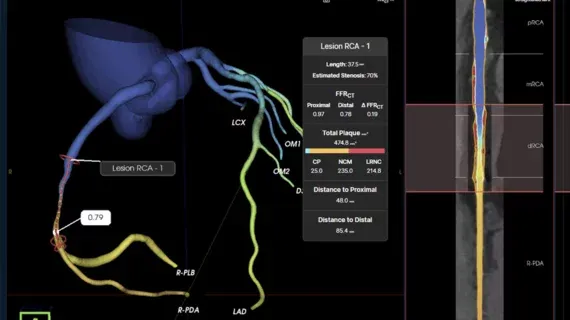
•Cardiovascular Business
FDA Clears Elucid's AI-Driven FFR-CT Solution for Cardiac Imaging
Elucid's FFR-IQ, an AI-powered noninvasive FFR-CT tool, receives FDA clearance for clinical use.