
Hyperfine has begun enrolling patients in the PRIME study to evaluate its next-generation portable MRI system for emergency triage.
Key Details
- 1The PRIME (Portable Rapid Imaging for Medical Emergencies) study has enrolled its first patients.
- 2The study will focus on the effectiveness of the AI-powered Swoop portable MRI for emergency department triage.
- 3Research is being conducted at the Yale School of Medicine.
- 4The system utilizes next-generation Optive AI software.
- 5The study aims to address barriers to timely MRI access in emergency settings.
Why It Matters
Demonstrating the value of portable, AI-driven MRI systems in emergency medicine could improve access to advanced imaging and expedite time-sensitive diagnostics. This study may pave the way for broader adoption of portable MRI and AI technology in clinical practice.

Source
AuntMinnie
Related News
•Radiology Business
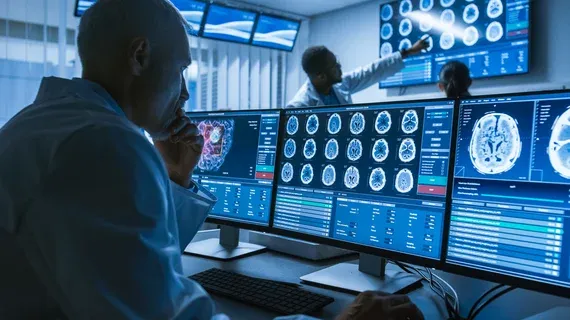
Real-World Study: Radiology AI Best in Emergency and Inpatient Settings
A commercial AI tool for intracranial aneurysm detection outperformed in inpatient and emergency settings but yielded limited benefits for outpatients in a major health system study.
•Radiology Business
AI Model Surpasses Radiologists in Detecting Subtle Hip Fractures
A new AI model outperformed radiologists in identifying difficult-to-detect femoral neck fractures on radiographs.

•AuntMinnie
AI-Driven Whole-Body MRI Biomarkers Aid Myeloma Risk Stratification
AI-powered MRI analysis offers automated risk stratification via body composition in multiple myeloma patients.