
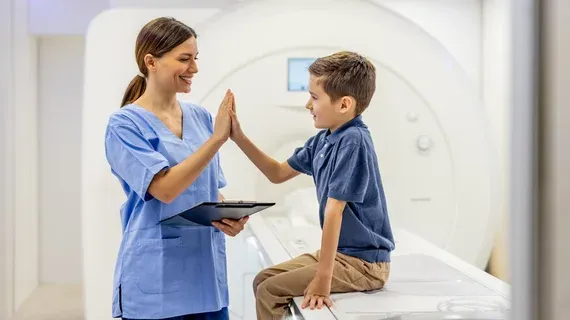
Experts outline five central barriers hampering adoption of AI in pediatric cancer imaging.
Key Details
- 1Pediatric cancers represent only about 1% of all new cancer diagnoses, resulting in very limited imaging datasets.
- 2Small and rare tumor subtypes further restrict the volume of data available for AI model training.
- 3Available pediatric imaging data are fragmented across over 200 specialized U.S. cancer centers.
- 4Lack of systematic data sharing prevents AI models from generalizing across institutions and imaging platforms.
- 5Adult oncology AI success stories have not directly translated to pediatric populations due to these barriers.
Why It Matters
Improving AI adoption in pediatric cancer imaging could enhance diagnosis and care, but requires addressing unique data and collaboration hurdles. Cross-institutional efforts and better data sharing are crucial for advancing effective AI applications in pediatric radiology.

Source
Radiology Business
Related News

•AuntMinnie
AI-Powered Quantitative MRI Aids Diffuse Glioma Management
Deep learning with quantitative MRI enables noninvasive treatment planning and molecular profiling of adult diffuse gliomas.
•AuntMinnie
Majority of Radiologists Use AI Daily but Have Mixed Views on Benefits
Survey shows 64% of radiologists use AI daily, but only a minority feel it significantly enhances skills.
•AuntMinnie
AI Boosts Sensitivity but Raises False Alarms in Microbleed Detection
AI significantly increases sensitivity for detecting cerebral microbleeds on brain MRI but at the cost of more false positives, highlighting the complementary strengths of AI and radiologists.