
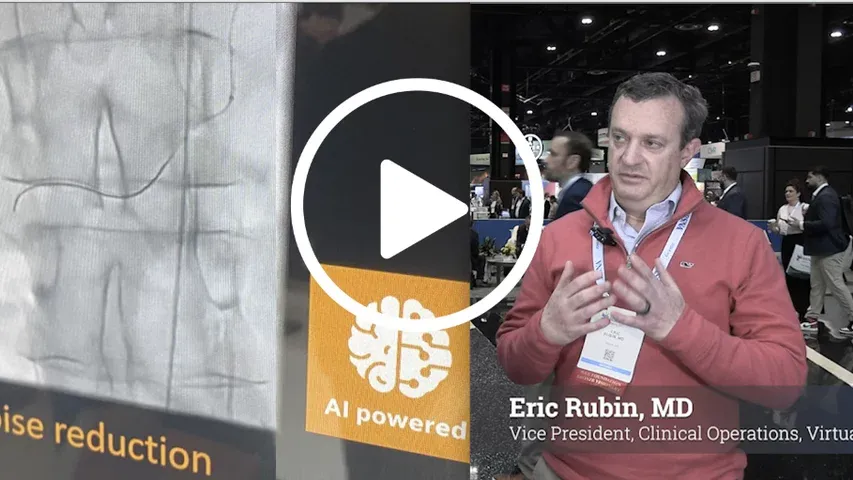
Despite a surge in FDA-cleared radiology AI tools, very few qualify for reimbursement due to lack of supporting clinical studies.
Key Details
- 1Radiology comprises roughly 80% of all FDA-cleared medical AI algorithms.
- 2Only one CPT category 1 payment code for newer AI tools exists today; a second will be added in January 2026.
- 3Both reimbursement codes are specific to cardiac imaging AI applications.
- 4Hundreds of approved algorithms lack reimbursement due to insufficient clinical evidence of patient benefit.
- 5Experts attribute the problem to a disconnect between regulatory clearance and payment policy.
Why It Matters
Without reimbursement, the financial incentives for clinical adoption of imaging AI are limited, slowing broader deployment of these technologies. Bridging the gap between regulatory approval and payment is critical for real-world impact of AI in radiology.

Source
Radiology Business
Related News
•Radiology Business
Radiology Partners Urges FDA for Clarity on Imaging AI Regulations
Radiology Partners and Mosaic Clinical Technologies petition the FDA for clearer regulatory guidelines on imaging AI vision-language models.

•AuntMinnie
Vast Majority of FDA-Cleared Radiology AI Devices Lack Outcome Trials
Only 0.3% of FDA-cleared radiology AI devices have registered trials on patient outcomes, raising concerns about evidence standards.
•Radiology Business
FDA Solicits Public Input on Regulating Generative AI in Medical Devices
The FDA is seeking public feedback on how to regulate generative AI in medical devices, recognizing both its promise and risks.