

Radiologist expertise and AI model confidence are key to avoiding errors from large language models in imaging interpretation.
Key Details
- 1Study involved 10 radiologists interpreting 100 chest imaging cases using X-ray, CT, MRI, and PET.
- 2Performance compared sessions with and without LLM (GPT-5 and GPT-4o) assistance.
- 3High model confidence (OR: 3.82) and reader expertise (OR: 2.06) linked with better outcomes.
- 4Expertise reduced the likelihood of accepting incorrect AI suggestions (OR: 0.54).
- 5Higher rationale quality caused more acceptance of both correct and incorrect suggestions.
- 6Human expertise anchors safe, effective AI-radiologist collaboration.
Why It Matters
As LLMs become more integrated in radiology, understanding when and why radiologists override or trust AI is essential for patient safety. This study highlights clinical expertise as a critical safeguard against errors, informing both training and deployment of AI in practice.

Source
Radiology Business
Related News

•Radiology Business
RadNet AI Tool Reduces Unnecessary Prostate Biopsies by 19%
RadNet's DeepHealth AI tool can help avoid nearly 1 in 5 prostate biopsies while maintaining high cancer detection sensitivity.
•Radiology Business
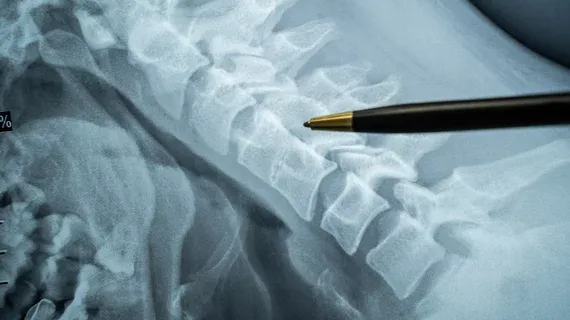
FDA Clears MRI2CT AI for 3D Bone Visualization from MRI
MRI2CT's NextMR receives FDA clearance to generate 3D bone images from standard spine MRIs, reducing reliance on CT scans.
•Radiology Business
FDA Clears AIRS Medical AI for Rapid MRI Body Composition Analysis
AIRS Medical's SwiftSight Body Composition AI software receives FDA 510(k) clearance for automated MRI-based body composition reporting.