
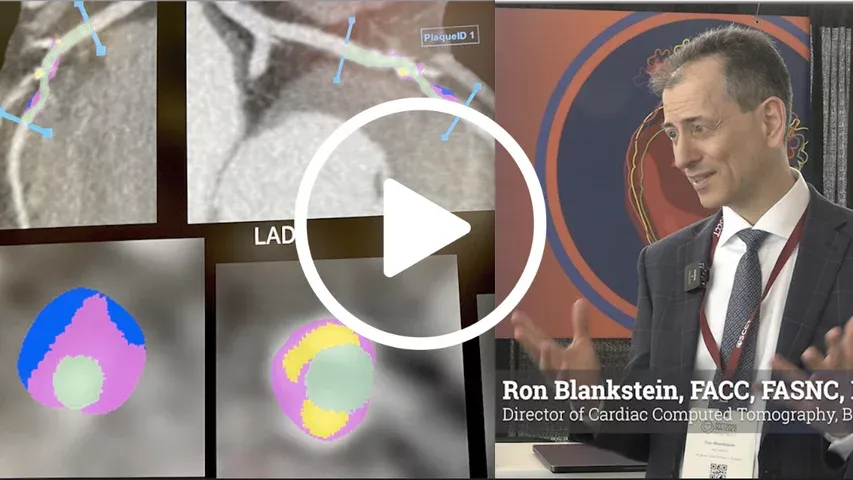
Successful AI integration in cardiac imaging requires more than just software installation, emphasizing the need for clinician leadership and multidisciplinary coordination.
Key Details
- 1Cardiology is second only to radiology in the number of FDA-cleared clinical AI algorithms.
- 2AI-driven cardiac CT applications like FFR-CT and coronary plaque analysis now have Level I CPT codes for reimbursement.
- 3Implementation of AI in cardiac imaging is compared to launching a new clinical service, not just installing a tool.
- 4Clinical champions and collaboration among stakeholders are critical for AI adoption in daily workflows.
- 5Significant clinical evidence and financial incentives exist, but integration still faces organizational challenges.
Why It Matters
Understanding the complexities of integrating AI into imaging workflows helps radiology professionals avoid common pitfalls and maximize clinical impact. Adoption success hinges on leadership, team effort, and alignment with reimbursement incentives.

Source
Cardiovascular Business
Related News

•Radiology Business
GE HealthCare Appoints Chief AI Officer to Lead Imaging Innovation
GE HealthCare has hired Rodolphe Katra as its new global chief AI officer to drive its AI strategy in imaging.

•AuntMinnie
Integrating AI Seamlessly Into Radiology Workflows for Clinical Impact
Kelly Londy of GE HealthCare highlights the importance of integrating AI seamlessly in radiology workflows to unlock its full clinical value.

•Radiology Business
Harrison.ai Cuts 15% Staff as Revenue and U.S. Expansion Accelerate
Radiology AI firm Harrison.ai reduces staffing by 15% amid quadrupling revenue and major U.S. expansion.