

Healthcare workers, especially nurses and doctors, are grappling with the real-world impacts of AI integration, while patients are encouraged to use AI thoughtfully in medical interactions.
Key Details
- 1Nurses voice concern over unvalidated, rapidly deployed AI tools like Epic's sepsis-prediction algorithm, which was found to perform below expectations.
- 2Clinicians increasingly use AI 'in the shadows,' prompting calls for transparent and safe AI adoption strategies in hospitals.
- 3Doctors advise patients to use AI for preparing medical visits but warn about risks such as AI 'sycophancy' and potential harm to the doctor-patient relationship.
- 4A new PatientAI Collaborative and AI Care Standard seeks to establish responsible practices for direct patient-AI interactions.
- 5Recent studies show AI-enhanced MRI tools can better predict cardiac outcomes than traditional scores.
Why It Matters
As AI becomes more prevalent in healthcare and radiology, stakeholder trust hinges on careful validation, transparent governance, and collaborative use among providers and patients. These discussions highlight the ongoing need for evidence-based AI adoption and responsible patient engagement in medical imaging and care.

Source
HealthExec
Related News
•Radiology Business
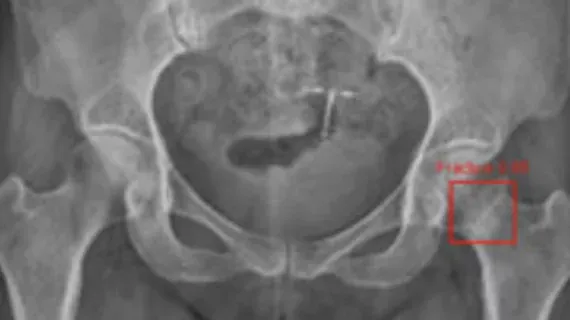
AI Model Surpasses Radiologists in Detecting Subtle Hip Fractures
A new AI model outperformed radiologists in identifying difficult-to-detect femoral neck fractures on radiographs.
•AuntMinnie
AI-Driven Whole-Body MRI Biomarkers Aid Myeloma Risk Stratification
AI-powered MRI analysis offers automated risk stratification via body composition in multiple myeloma patients.
•AuntMinnie
AI Framework Boosts MRI Quality Control for Prostate Cancer
A deep learning AI framework improved radiologist and model accuracy for prostate cancer detection by assessing MRI image quality.