
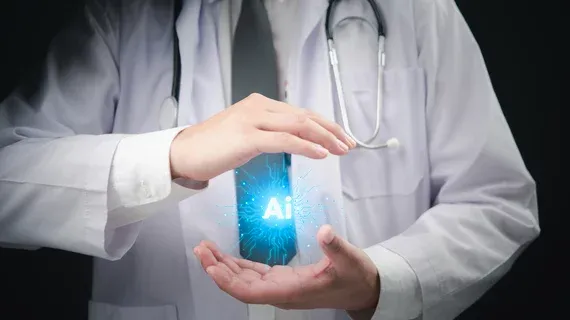
Artificial intelligence can identify gaps in radiology residents' clinical exposure, supporting tailored educational interventions.
Key Details
- 1AI tools analyzed radiology residents' case histories to spot underexposed pathologies.
- 2A 'Precision Education' program was developed to individualize supplemental training based on actual exposure data.
- 3Large language models were used to assess clinical experiences against curriculum targets.
- 4This method maintained residents' overall clinical volume while addressing specific educational shortfalls.
- 5Traditional approaches to closing knowledge gaps are less precise and less individualized.
Why It Matters
Personalized educational strategies powered by AI could standardize and improve radiology training, ensuring residents gain sufficient exposure to critical pathology. This approach demonstrates the role of AI beyond diagnostics, enhancing the quality and consistency of medical education.

Source
Radiology Business
Related News
•Radiology Business
UC Irvine Implements AI to Find Lung Cancer Screening Candidates
UC Irvine's radiology department developed an NLP tool to identify patients eligible for lung cancer screening from EHR notes.

•Radiology Business
A Practical Guide to Evaluating Radiology AI Solutions
Experts propose a three-step approach for radiologists to assess and select AI imaging solutions.

•AuntMinnie
Radiologists and LLMs Struggle to Spot AI-Generated Chest X-rays
Neither radiologists nor AI-powered large language models can reliably distinguish synthetic from real chest x-rays, new research finds.