
Stanford researchers predict AI could reduce radiologist hours by up to 49% over the next five years, though workforce size is likely to remain stable due to rising imaging demand.
Key Details
- 1Stanford study finds AI may reduce radiologist hours by 14% to 49%, with a central estimate of 33% over five years.
- 2AI's main impacts are in report drafting (productivity gain) and delegating 'normal' studies (especially in mammography and radiography).
- 3Tasks most affected are interpretation, protocoling, and communication with providers or colleagues.
- 4Up to 50% of screening mammograms and 40% of outpatient radiographs could be cleared by AI without human review.
- 5Despite time savings, overall demand for radiologists is expected to be stable due to growing imaging volumes.
Why It Matters
This analysis suggests that while AI will greatly shift the nature of radiologists' work by automating routine tasks, the ongoing rise in imaging volumes means that AI is more likely to change workflow and task balance than cause job losses. Radiology professionals should prepare for evolving roles rather than reduced job opportunities.

Source
AuntMinnie
Related News
•Radiology Business
Real-World Study: Radiology AI Best in Emergency and Inpatient Settings
A commercial AI tool for intracranial aneurysm detection outperformed in inpatient and emergency settings but yielded limited benefits for outpatients in a major health system study.
•Radiology Business
New Rubric Enhances Safety of AI-Generated Radiology Summaries
Researchers developed a five-factor rubric to assess the safety and quality of AI-generated, patient-friendly radiology report summaries.
•Radiology Business
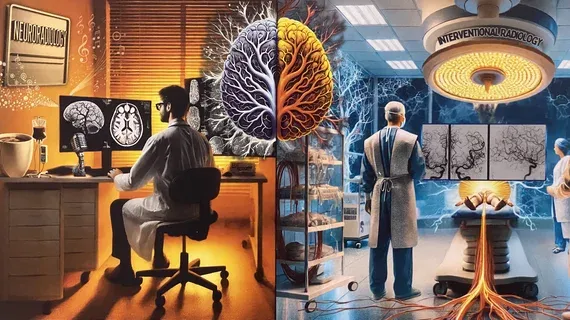
Healthcare Leader Warns AI Will Dominate Diagnostic Radiology
A leading oncologist urges future radiologists to specialize in interventional procedures due to AI advances in image interpretation.