
A South Korean study finds that AI-generated chest x-ray reports are nearly as clinically acceptable as radiologist-written reports under standard criteria.
Key Details
- 1AI-generated and radiologist-written reports showed similar acceptability under a standard criterion: 88.4% vs 89.2% (p = 0.36).
- 2Under a more stringent criterion (acceptable without revision), AI was less acceptable: 66.8% vs 75.7% (p < 0.001).
- 3The model (KARA-CXR) was trained on 8.8 million chest x-rays from 42 institutions across South Korea and the U.S.
- 4AI-generated reports demonstrated higher sensitivity for referable abnormalities (81.2% vs 59.4%) but lower specificity (81% vs 93.6%) compared to radiologists.
- 5Seven thoracic radiologists independently evaluated report acceptability; most felt AI was not yet ready to replace human radiologists.
- 6Editorials note AI is diagnostically positioned between residents and board-certified radiologists.
Why It Matters
This study demonstrates that AI-generated reporting can meet foundational quality standards, highlighting its potential for expediting workflow in busy or resource-constrained environments. However, the nuanced limitations under more stringent criteria suggest further development is needed for AI to match board-certified radiologist standards.

Source
AuntMinnie
Related News
•Cardiovascular Business
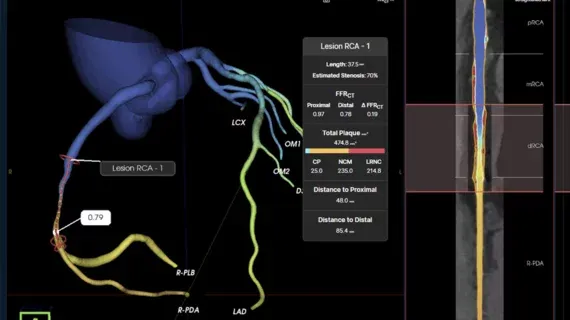
FDA Clears Elucid's AI-Driven FFR-CT Solution for Cardiac Imaging
Elucid's FFR-IQ, an AI-powered noninvasive FFR-CT tool, receives FDA clearance for clinical use.

•Radiology Business
FDA Approves SimBioSys AI Tool for Breast Cancer Risk via MRI
SimBioSys received FDA clearance for TumorSight Risk, an AI tool assessing breast cancer recurrence risk using MRI.

•AuntMinnie
Radiologists and LLMs Struggle to Spot AI-Generated Chest X-rays
Neither radiologists nor AI-powered large language models can reliably distinguish synthetic from real chest x-rays, new research finds.