
AI analysis of one-year CT changes predicts disease progression and survival in fibrotic interstitial lung disease.
Key Details
- 1Researchers at National Jewish Health used an AI-based tool to detect subtle increases in lung fibrosis on serial CT scans.
- 2A 5% or more increase in fibrosis score over one year doubled the risk of death or lung transplant for patients.
- 3AI-derived fibrosis changes predicted steeper lung function decline, especially in patients with less severe baseline disease.
- 4The deep learning method, data-driven textural analysis (DTA), provided precise, objective fibrosis quantification.
- 5Results were validated with data from the Pulmonary Fibrosis Foundation Patient Registry, demonstrating generalizability.
- 6Quantitative CT analysis could be used for trial endpoints and real-world risk stratification.
Why It Matters
This study demonstrates the clinical potential of deep learning-based CT quantification for early risk identification and outcome prediction in fibrotic lung disease. It supports wider use of imaging AI as an objective, reproducible tool for prognosis and treatment decision-making in complex pulmonary disorders.

Source
EurekAlert
Related News

•EurekAlert
AI Enhancement Boosts Handheld Ultrasound for Carotid Plaque Detection
AI-powered post-processing improves handheld ultrasound detection of small or faint carotid plaques in community screening.
•EurekAlert
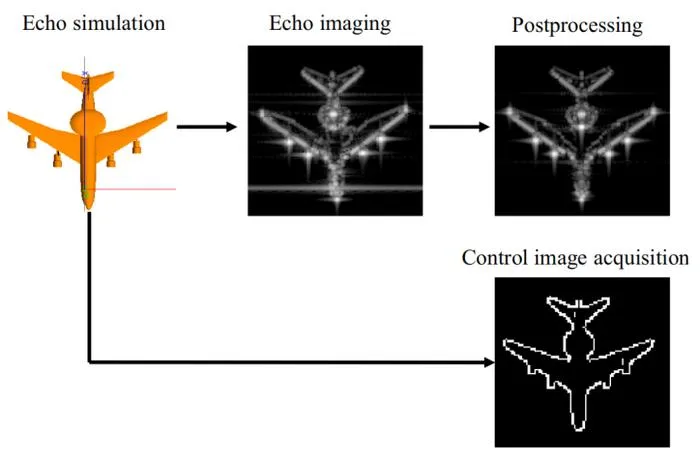
AI Achieves Precision in Generating Radar Images at Specific Attitudes
Researchers introduce a ControlNet-based AI method for precise, attitude-controllable radar image generation of noncooperative targets.
•EurekAlert
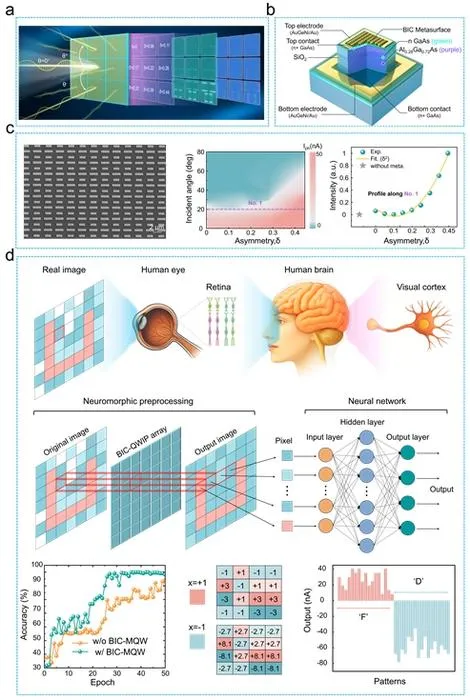
Novel Nanophotonic Chip Enhances Machine Vision with Quantum Wells and Metasurfaces
Researchers developed a nanophotonic processor integrating quasi-BIC metasurfaces with MQWs, demonstrating tunable photoresponse for advanced machine vision.